
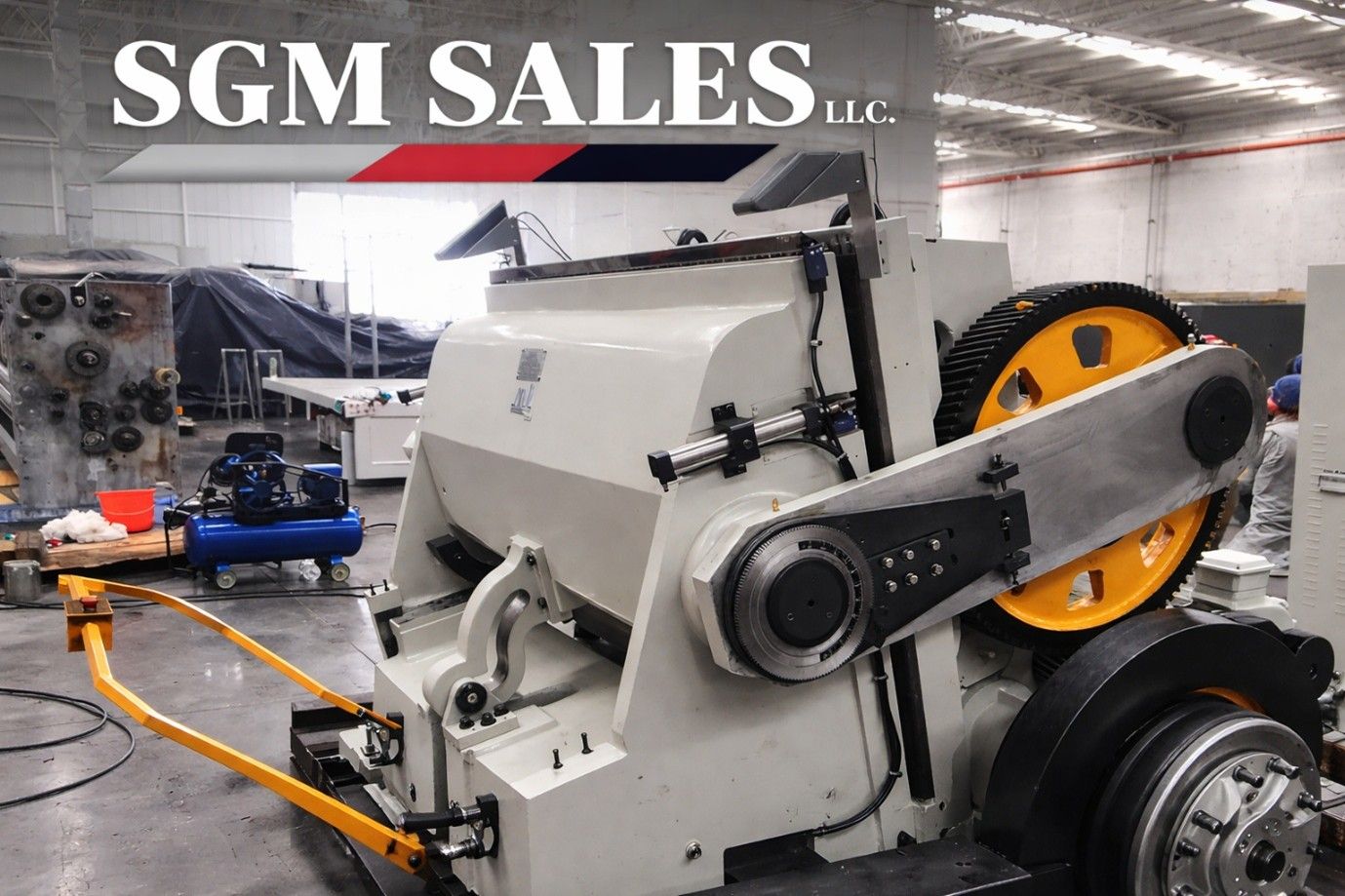
Modern production lines are changing fast, and businesses are starting to question whether older machines can still keep up. When comparing New Cutters And Foil Stampers, the difference often comes down to speed, precision, and ease of use. Understanding these differences helps companies make smarter decisions and stay ahead in a competitive market.
What Makes Modern Machines Different?
New systems are built to simplify work and improve output quality.
- Faster processing speeds for higher production
- Better precision with digital controls
- Reduced manual effort and setup time
- Consistent results across large batches
- Easy integration with automated workflows
These upgrades make daily operations smoother and less stressful.
Speed That Keeps You Ahead
One of the biggest changes is speed. Traditional machines often require more time for setup and adjustments. That slows down production, especially for large orders.
Modern machines, on the other hand, are designed for quick changes. Operators can switch between jobs faster. This helps businesses meet tight deadlines without compromising quality. Faster production does not just save time. It also improves overall workflow and customer satisfaction.
Precision That Builds Trust
Accuracy matters in packaging and print finishing. Even a small error can affect the final product.
New machines use advanced systems to ensure precise cutting and stamping. This leads to cleaner edges and better alignment. Traditional machines may rely more on manual adjustments, which can lead to slight variations. Consistent precision builds trust with clients and reduces waste.
Easy Operation for Better Efficiency
Operating older machines often requires skilled labor and constant monitoring. This can slow things down and increase the chance of errors.
Modern equipment is more user-friendly. Digital interfaces guide operators through each step. This reduces training time and makes the process easier for new team members. As a result, teams can focus more on productivity and less on troubleshooting.
Flexibility for Different Projects
Today’s businesses handle a wide range of designs and materials. Flexibility is key. New machines can handle different sizes, shapes, and finishes with ease. They adapt quickly to changing project needs. In contrast, traditional machines may need more time and effort to adjust. This flexibility allows businesses to take on more diverse projects without delays.
Reduced Downtime and Maintenance
Machine downtime can disrupt the entire workflow. Traditional machines often need frequent maintenance due to wear and tear. Modern systems are designed to run longer with fewer interruptions. Improved components and smart monitoring systems help detect issues early. Less downtime means smoother operations and better productivity.
Consistency Across Large Orders
Large production runs demand consistency. Customers expect every piece to look the same. New machines deliver uniform results from start to finish. Automated settings ensure each cut and stamp matches the previous one. Older systems may struggle to maintain this level of consistency over time. Reliable output helps maintain brand quality and customer trust.
Comparing with Older Equipment
When looking at Previously Foil Stampers, it becomes clear how much technology has improved. Older machines still get the job done, but they often require more effort, time, and attention.
Modern machines simplify processes and reduce the chances of errors. This makes them a better fit for businesses aiming for efficiency and growth. The difference is not just about new features. It’s about making work easier and results better.
Long-Term Value for Businesses
Choosing the right equipment is a long-term decision. While traditional machines may seem familiar, they can limit growth.
New technology supports faster production, better quality, and smoother workflows. Over time, this leads to improved performance and stronger business outcomes. Investing in modern solutions often means fewer headaches and better results.
Why Businesses Are Making the Shift
Companies today want reliability, speed, and quality. Modern machines offer all three. They help reduce manual work, improve accuracy, and handle larger workloads. This combination makes them a smart choice for businesses looking to grow and stay competitive. The shift is not just a trend. It’s a practical move toward better efficiency.
Conclusion
Choosing between traditional and modern machines ultimately comes down to performance and ease of use. Advanced solutions like New Cutters And Foil Stampers offer faster speed, greater precision, and smoother operation. They help businesses achieve consistent results while saving time and effort.
Take the next step toward better production by exploring modern solutions that align with your business goals and support long-term growth.